Beholder: A Strategic Gothic Font for Purposeful Design
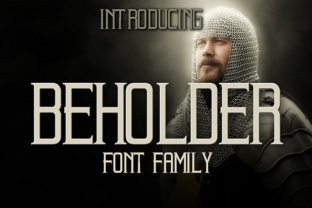
Beholder is more than just a font—it’s a design tool that can elevate your visual communication when used with intention. This Gothic-style typeface, available in five distinct styles, offers versatility and character that aligns with both aesthetic and strategic goals. Whether you're designing for branding, marketing, or creative projects, Beholder provides a unique voice that can help you stand out in a crowded digital space.
Understanding Beholder: A Gothic Font with Strategic Value
Beholder belongs to the Gothic font family, known for its dramatic, bold, and often ornate characteristics. These fonts are frequently associated with themes of strength, mystery, and power—qualities that can be strategically useful in various contexts. The five styles within the Beholder family allow for flexibility, making it suitable for different applications without losing its signature style.
For entrepreneurs and marketers, Beholder can serve as a powerful brand identifier. Its strong visual presence helps reinforce messaging, especially when targeting audiences that value edginess, creativity, or a sense of rebellion. For educators and professionals, the font can add a compelling visual element to presentations, reports, or educational materials, making complex ideas more engaging.
When to Use Beholder: Strategic Placement for Maximum Impact
Beholder is best suited for projects where a strong visual statement is needed. It works well for t-shirts, banners, and flyers—formats that require immediate attention and clear communication. However, its use should not be arbitrary. Instead, consider how it aligns with your overall design strategy and audience expectations.
- T-Shirts: Use Beholder to create eye-catching designs that reflect a brand’s personality or message. Its boldness ensures visibility even from a distance.
- Banners: For event promotions, product launches, or public announcements, Beholder adds a dramatic flair that captures attention and conveys urgency.
- Flyers: In print media, Beholder can make information more memorable by standing out visually while maintaining readability.
When choosing to use Beholder, think about the context. Is it appropriate for the medium? Does it support the message you want to convey? These considerations ensure that the font enhances rather than distracts from your goals.
How to Approach Beholder: Planning and Execution
Integrating Beholder into your design process requires careful planning. Start by defining the purpose of your project. Are you trying to build brand identity, communicate a specific emotion, or attract a particular demographic? Once you have clarity on your objective, you can determine how Beholder fits into the larger design strategy.
Consider the following steps before finalizing your use of Beholder:
- Define Your Goal: What outcome do you want to achieve with this font? Clarifying your goal ensures that your design decisions are intentional.
- Test Different Styles: The five styles of Beholder offer varying levels of boldness and detail. Experiment with each to see which one best suits your needs.
- Balance with Other Elements: Avoid overusing Beholder. Pair it with simpler fonts or clean layouts to maintain visual harmony and readability.
- Understand Your Audience: Not all audiences will respond positively to a Gothic font. Ensure that Beholder aligns with the preferences and expectations of your target group.
By taking these steps, you can ensure that Beholder becomes a strategic asset rather than a random choice.
The Risks of Using Beholder Without Clear Intent
While Beholder has many advantages, using it without a clear purpose can lead to ineffective design. Overuse or inappropriate placement may confuse your audience, dilute your message, or even alienate certain groups. For example, a professional business website might not benefit from a Gothic font unless it's part of a deliberate, thematic approach.
Additionally, poor implementation can reduce readability. If the font is too intricate or paired with low-contrast colors, it may become difficult to read, especially in smaller sizes. Always test Beholder in real-world scenarios to ensure it functions as intended.
Beholder in Action: Real-World Applications
Let’s explore how Beholder can be used effectively in different scenarios:
- Brand Identity: A boutique clothing line targeting a younger, alternative audience could use Beholder to create a cohesive look across packaging, social media, and store signage. The font reinforces the brand’s identity and appeals to its core demographic.
- Marketing Campaigns: For a music festival or concert poster, Beholder can add a sense of energy and excitement. Its bold style matches the high-energy vibe of the event and draws attention quickly.
- Educational Materials: In a history or literature class, Beholder could be used to highlight key terms or quotes, adding a dramatic touch that engages students and makes content more memorable.
In each case, Beholder serves a specific function and supports the broader objectives of the project.
Long-Term Value: Building with Beholder
Strategic use of Beholder can contribute to long-term success by creating a consistent visual language. When integrated into a brand’s design system, it becomes a recognizable element that builds trust and recognition over time.
For small business owners and freelancers, Beholder can be a cost-effective way to create a professional appearance without relying on expensive design tools. Its versatility allows for repeated use across multiple platforms, ensuring that your brand remains cohesive and impactful.
Moreover, Beholder can be a valuable tool for personal branding. Whether you’re a writer, artist, or speaker, using a distinctive font like Beholder can help you establish a unique identity that sets you apart from competitors.
Final Thoughts: Intentional Use of Beholder
Beholder is a powerful font that can enhance your design work when used thoughtfully. It offers a blend of style and functionality that can support a wide range of goals, from branding to communication. However, its effectiveness depends on how well it aligns with your strategy, audience, and project requirements.
Before incorporating Beholder into your work, ask yourself: What am I trying to achieve? Who is my audience? How does this font support my overall vision? By answering these questions, you can ensure that your use of Beholder is intentional, effective, and aligned with your long-term objectives.