Death Hector: A Bold Font for Strategic Communication
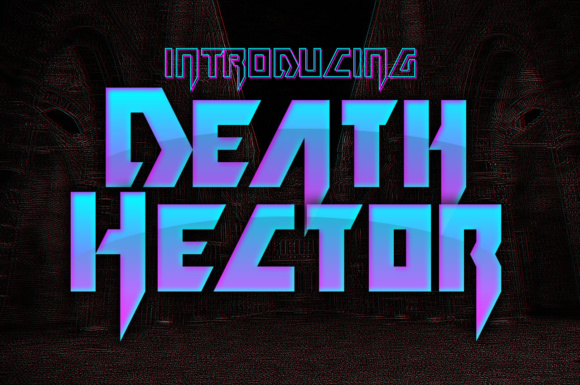
Death Hector, a striking display font by Chequered Ink, offers more than just visual impact—it provides a unique tool for strategic communication. Its bold, high-contrast design makes it ideal for branding, marketing, and creative projects where clarity and presence matter. Understanding how to use Death Hector effectively can enhance your message, reinforce your brand identity, and help you stand out in a crowded digital space.
While many fonts are chosen for aesthetic appeal alone, Death Hector’s strength lies in its ability to convey confidence and authority. This makes it particularly useful for businesses, entrepreneurs, and creators who want to communicate a strong, memorable message. However, like any powerful tool, it requires thoughtful application to achieve the desired results.
Why Death Hector Matters in Strategic Communication
In a world where attention spans are short and competition is fierce, the right typography can make all the difference. Death Hector’s sharp edges and dramatic strokes command attention, making it an excellent choice for headlines, logos, and key messaging. When used strategically, it can signal professionalism, creativity, or even a bold brand personality—depending on the context.
For marketers, this means using Death Hector to highlight core messages or differentiate a brand from competitors. For entrepreneurs, it can be a way to establish a strong visual identity that aligns with their business goals. In both cases, the font becomes more than just a design element—it becomes a strategic asset.
Consider how Death Hector might be used in different scenarios. A tech startup could use it for a tagline that emphasizes innovation and disruption. A luxury brand might use it to reinforce exclusivity and sophistication. The key is to align the font’s character with the brand’s values and objectives.
When to Use Death Hector: Practical Scenarios
Death Hector is not a one-size-fits-all solution. It works best in contexts where boldness and clarity are essential. Here are some practical situations where it can be most effective:
- Headlines and Titles: Use Death Hector for headlines that need to grab attention and convey a strong message. Whether it's a blog post, ad, or presentation, the font can help set the tone and guide the reader’s focus.
- Logos and Branding: For brands looking to make a strong first impression, Death Hector can add a sense of authority and memorability. It’s especially effective for industries that value strength, such as fashion, automotive, or technology.
- Marketing Materials: In print or digital ads, Death Hector can help create a visually compelling message that stands out. It’s ideal for calls to action, product names, or key selling points.
- Content Headers: Within articles, blogs, or web pages, Death Hector can be used to break up text and draw attention to important sections. This improves readability and engagement.
However, it’s important to consider the audience and platform. Death Hector may not be suitable for all content types, especially those requiring a more subtle or modern look. Always test the font in different formats to ensure it aligns with your overall design strategy.
How to Approach Death Hector Strategically
Using Death Hector without a clear plan can lead to visual clutter or miscommunication. To get the most out of it, approach it with intention and purpose. Start by defining your goals: Are you trying to build brand recognition, drive engagement, or reinforce a specific message? Once you have a clear objective, you can determine where and how to use the font effectively.
One effective strategy is to pair Death Hector with simpler, more neutral fonts. This creates balance and ensures that the bold font doesn’t overwhelm the design. For example, use Death Hector for headings and a clean sans-serif font for body text. This contrast can improve readability while maintaining visual interest.
Another consideration is the medium in which the font will be used. On digital platforms, ensure that the font is optimized for web use and renders consistently across devices. For print materials, check that the font maintains its integrity at different sizes and resolutions.
Finally, think about the emotional impact of the font. Death Hector has a strong, assertive feel that can evoke confidence, power, or even rebellion. Depending on your brand’s personality, this can be a valuable trait—or it could clash with your intended message. Always align the font’s tone with your brand’s voice and values.
Planning Tips for Effective Use of Death Hector
To maximize the benefits of Death Hector, follow these planning tips:
- Define Your Message: Before choosing any font, ask yourself what you want to communicate. Death Hector is best suited for messages that require emphasis, authority, or a strong visual statement.
- Test in Different Contexts: Experiment with how Death Hector looks in various formats—on a website, in a brochure, or in social media posts. This helps identify any potential issues and ensures consistency.
- Consider Accessibility: Ensure that the font remains legible at different sizes and against different backgrounds. Avoid using it in low-contrast environments where it may be difficult to read.
- Align with Brand Identity: Check that Death Hector fits with your overall brand image. If it feels too aggressive or mismatched, consider alternative fonts that better reflect your brand’s personality.
- Use Sparingly: While Death Hector is powerful, overuse can dilute its impact. Limit its use to key areas where it adds the most value, rather than applying it everywhere.
By following these steps, you can ensure that Death Hector enhances your message rather than distracts from it.
Risks of Using Death Hector Without Clear Goals
Like any design choice, using Death Hector without a clear purpose can lead to negative outcomes. One common risk is visual overload—when the font becomes the focus instead of the message. This can confuse readers and weaken the overall impact of your content.
Another risk is misalignment with your brand’s identity. If Death Hector doesn’t match your brand’s tone or values, it can create inconsistency and reduce trust. For example, a minimalist brand using a bold, aggressive font may appear unprofessional or out of touch.
Additionally, poor implementation can lead to readability issues. If the font is too large, too small, or placed in a cluttered layout, it can hinder comprehension. Always prioritize clarity and usability, even when working with a striking typeface like Death Hector.
Ultimately, the goal is to use Death Hector intentionally. It should serve your message, not overshadow it. By focusing on purpose, context, and execution, you can avoid these pitfalls and leverage the font’s strengths effectively.
Strategic Observations and Decision-Making Guidance
When considering the use of Death Hector, it’s helpful to ask a few key questions:
- Does this font support my brand’s identity and message?
- Will it enhance or distract from the user experience?
- Is it appropriate for the target audience and platform?
- Am I using it in a way that aligns with my long-term goals?
These questions can guide your decision-making and help you avoid common mistakes. They also encourage a more strategic approach to typography, ensuring that every design choice contributes to your broader objectives.
Moreover, consider how Death Hector fits into your overall design system. Is it part of a cohesive visual language, or does it stand out in a way that feels disconnected? A well-integrated font can strengthen your brand, while a poorly integrated one can weaken it.
Finally, remember that typography is not just about aesthetics—it’s about communication. Death Hector can be a powerful tool if used with care, but it requires thoughtful planning and execution to achieve the desired results.