Gingerbread: A Sweet Font for Creative Projects
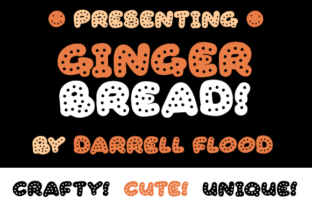
For designers, marketers, and content creators, the right font can make a big difference. Gingerbread is more than just a typeface—it’s a playful, approachable style that brings warmth and personality to any project. With its distinct gingerbread cookie aesthetic, this font adds a touch of charm that stands out in both digital and print formats.
Whether you're working on a holiday campaign, a branding project, or a personal blog, Gingerbread offers a unique visual identity. Its regular and italic versions provide flexibility, allowing you to express creativity while maintaining readability. This makes it ideal for headings, logos, and other design elements where a friendly tone is important.
Why Gingerbread Matters for Designers
In a world where typography often feels generic, Gingerbread offers something different. It’s not just about looking good—it’s about communicating a specific mood or message. The font’s rounded edges and slightly irregular shapes mimic the texture of real gingerbread, giving it a handcrafted feel that resonates with audiences.
This font is especially useful for brands that want to convey a sense of comfort, nostalgia, or authenticity. Think of a bakery website, a seasonal promotion, or a children’s book. Gingerbread helps create an emotional connection by evoking familiar, comforting imagery. It’s not just a font—it’s a storytelling tool.
Practical Benefits of Using Gingerbread
One of the biggest advantages of Gingerbread is its versatility. The regular version works well for headlines and titles, while the italic version adds a subtle flair for subheadings or emphasis. This dual functionality makes it easy to use across different design projects without sacrificing visual cohesion.
For small businesses or independent creators, Gingerbread can help differentiate their brand from competitors. In industries like food, retail, or education, where a friendly and approachable image is key, this font can make a strong impression. It’s also great for social media posts, email newsletters, and promotional materials that need to stand out.
Real-World Use Cases for Gingerbread
Consider a local café launching a new line of holiday treats. Using Gingerbread in their marketing materials could instantly communicate the theme of warmth and tradition. The font’s playful yet professional look would appeal to customers looking for a cozy, personalized experience.
Another example is a teacher creating classroom materials. Gingerbread adds a fun, engaging element to worksheets, posters, or lesson plans. It can make learning feel more interactive and less formal, which is especially beneficial for younger students or those who struggle with traditional text formats.
Even in more formal settings, Gingerbread can be used effectively. For instance, a wedding planner might use it for invitations or event signage to add a whimsical touch without being too casual. The key is to balance the font’s personality with the overall design to maintain professionalism.
Who Benefits Most from Gingerbread?
Designers and creatives who value originality will find Gingerbread particularly useful. It’s a great choice for those looking to break away from standard fonts and add a unique visual identity to their work. Entrepreneurs and small business owners can also benefit by using it to build a memorable brand presence.
Marketers and content creators may find that Gingerbread helps capture attention in crowded digital spaces. Whether it's for a blog post, a social media graphic, or a presentation, the font can draw readers in and make content more engaging. It’s also a good option for anyone involved in packaging design, as it can enhance the visual appeal of product labels or banners.
Limitations and Considerations
While Gingerbread has many strengths, it’s important to consider its limitations. The font’s stylized appearance may not be suitable for all types of content. In formal documents, long paragraphs, or high-stakes presentations, it could appear too informal or difficult to read.
Additionally, users should ensure that the font is properly licensed for their intended use. Depending on the platform or application, there may be restrictions on how and where Gingerbread can be applied. Always check the licensing terms before incorporating it into commercial projects.
It’s also worth noting that Gingerbread may not be the best choice for every audience. While it appeals to those who enjoy a playful or nostalgic vibe, it might not resonate with more minimalist or modern design preferences. As with any font, it’s wise to test it in different contexts to see how it performs.
How to Use Gingerbread Effectively
To get the most out of Gingerbread, start by identifying where it will have the greatest impact. Use it for headings, logos, or short phrases where its character can shine. Avoid using it for body text, as this can reduce readability and make the design feel cluttered.
When combining Gingerbread with other fonts, choose complementary styles that don’t compete. A clean, sans-serif font like Arial or Helvetica can balance the playfulness of Gingerbread while maintaining clarity. This approach ensures that the overall design remains cohesive and professional.
Finally, experiment with different sizes and weights. The italic version can add a subtle contrast, while the regular version provides a bold, eye-catching presence. By adjusting these elements, you can tailor the font to fit your specific needs and creative goals.
Conclusion: Gingerbread for Creative Expression
Gingerbread is more than just a font—it’s a way to express creativity and personality in design. Its unique style and friendly appearance make it a valuable tool for a wide range of applications, from branding to education. By understanding its strengths and limitations, users can make informed decisions about when and how to use it effectively.
Whether you're looking to add a touch of warmth to your work or simply want to stand out in a competitive market, Gingerbread offers a fresh and appealing alternative. With careful consideration and thoughtful application, it can elevate your designs and help you connect with your audience in a meaningful way.