Solaria: The Futuristic Font That Elevates Sci-Fi Design
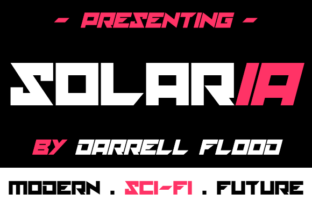
If you're looking for a font that captures the essence of the future, Solaria is a standout choice. This modern, futuristic typeface features sleek, angular lines that give it a high-tech feel perfect for sci-fi themes, branding, and digital design projects. Whether you're a designer, developer, or content creator, Solaria offers a bold visual identity that can transform your work.
What makes Solaria unique is its two distinct styles, allowing users to choose between a more rigid, geometric look or a slightly softer, more fluid variant. These options make it versatile enough for a wide range of applications—from website headers to product packaging and marketing materials. Its clean structure ensures readability even at smaller sizes, making it ideal for both print and screen use.
The Appeal of Solaria in Modern Design
Solaria's appeal lies in its ability to blend functionality with aesthetics. For designers working on sci-fi or tech-related projects, this font provides a visual language that aligns with futuristic themes. It’s not just about style—it’s about creating a cohesive brand identity that resonates with audiences who appreciate innovation and forward-thinking ideas.
However, not everyone understands how to use Solaria effectively. Many people assume that simply selecting a futuristic font will automatically elevate their design. In reality, the success of using Solaria depends on how well it integrates with other elements of the design, such as color schemes, layout, and overall tone.
Mistakes to Avoid When Using Solaria
One common mistake is overusing Solaria in large blocks of text. While the font looks great in headlines or titles, it can become difficult to read when used extensively in body copy. This leads to poor readability and a less professional appearance. Instead, use Solaria strategically—reserving it for key elements like logos, headings, or call-to-action buttons.
Another oversight is failing to consider the context in which Solaria is used. A font that works well for a tech startup might not be suitable for a traditional business or educational institution. Understanding your audience and the message you want to convey is crucial. If your goal is to communicate trust and reliability, a more classic font may be a better fit than a high-tech one like Solaria.
Some users also neglect to test Solaria across different platforms and devices. What looks sharp on a desktop monitor may appear jagged or unclear on a mobile screen. Always preview your design on multiple devices to ensure consistency and clarity.
Choosing the Right Style for Your Project
Solaria comes in two styles, each with its own strengths. The first style has a more rigid, angular form that conveys precision and strength. This is ideal for tech brands, gaming interfaces, or any project that needs a strong, authoritative presence. The second style is slightly more fluid, offering a balance between modernity and approachability. This version may be better suited for creative agencies, digital art, or interactive media.
Before deciding which style to use, ask yourself what kind of impression you want to make. If your brand is all about innovation and cutting-edge design, the rigid style may be the way to go. If you’re aiming for a more dynamic or artistic feel, the fluid style could be a better match.
Practical Tips for Working With Solaria
To get the most out of Solaria, start by understanding your design goals. Ask questions like: What is the primary purpose of this project? Who is the target audience? What emotions do I want to evoke? These insights will help you determine whether Solaria is the right choice and how to use it effectively.
Also, take time to explore different font pairings. Solaria works well with sans-serif fonts that have a similar modern aesthetic, but it can clash with overly decorative or script-based fonts. Experiment with combinations that enhance readability without compromising visual interest.
When downloading or purchasing Solaria, always verify the source. Use reputable font marketplaces to ensure you’re getting a high-quality, legally licensed version. Avoid free downloads from untrusted websites, as they may contain malware or violate licensing agreements.
Real-World Applications of Solaria
Consider how Solaria has been used in real-world scenarios. For example, a tech company launching a new app might use Solaria in their promotional materials to emphasize innovation and modernity. A game developer could incorporate it into their UI design to create a more immersive experience. In both cases, the font serves as a visual cue that reinforces the brand’s identity.
On the flip side, a business that uses Solaria inappropriately—such as in a formal report or a traditional logo—may send the wrong message. The font’s futuristic look could come across as unprofessional or out of place. This highlights the importance of matching the font to the context and audience.
Final Thoughts on Using Solaria
Solaria is a powerful tool for anyone looking to add a futuristic edge to their design work. However, its effectiveness depends on thoughtful application and an understanding of design principles. By avoiding common mistakes and following best practices, you can ensure that Solaria enhances your work rather than detracts from it.
Before finalizing your design, take a step back and evaluate how Solaria fits into the bigger picture. Does it support your message? Is it readable and functional? Will it resonate with your audience? Answering these questions will help you make informed decisions and achieve better results with Solaria.