Spiky: Bold Typography for Impactful Design
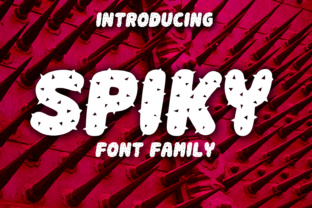
Spiky is a striking font that adds energy and visual interest to any design. With its sharp, angular edges, it stands out in a sea of more traditional typefaces. The Spiky font family includes two main weights: Regular and Book. Each version offers a unique balance of style and readability, making them versatile choices for a wide range of projects.
Whether you're designing a t-shirt, creating a banner, or working on a digital project, Spiky brings a sense of boldness and modernity. Its distinctive shape makes it ideal for headlines, logos, and other elements where visibility and impact are key. But what exactly makes Spiky stand out, and how can it enhance your work?
What Makes Spiky Unique?
At first glance, Spiky's most obvious feature is its jagged, spiked appearance. This design choice gives the font a dynamic and energetic feel. However, the strength of Spiky lies not just in its look but also in its functionality. The Regular version is perfect for high-impact statements, while the Book version offers a slightly softer alternative without sacrificing the font’s character.
The contrast between the two weights allows designers to create visual hierarchy and depth. For instance, using Spiky Regular for a headline and Spiky Book for subheadings can add structure and clarity to a layout. This flexibility makes it a valuable tool for both print and digital media.
Real-World Applications of Spiky
Spiky’s versatility means it can be used in many different contexts. For personal projects, it’s great for custom t-shirts, stickers, or social media graphics. The font’s bold nature ensures that it commands attention, which is essential when creating eye-catching designs.
In a professional setting, Spiky can elevate branding efforts. Companies looking to establish a strong, memorable identity often turn to fonts with a distinct personality. Spiky can be used in logos, marketing materials, or packaging to convey confidence and innovation. It’s especially effective for brands targeting younger audiences or those in creative industries.
Educators and content creators also find value in Spiky. When designing presentations, infographics, or educational materials, the font can help highlight key points and make information more engaging. Its readability at larger sizes ensures that it remains legible even when used in headings or titles.
Spiky in Digital and Commercial Spaces
On the web, Spiky can be used to create visually compelling headers or call-to-action buttons. Its sharp lines and strong presence make it ideal for landing pages, advertisements, or website banners. However, it’s important to consider the context in which it’s used. While it works well in large sizes, it may not be suitable for body text due to its intricate details.
For commercial use, such as in retail environments or signage, Spiky can be an excellent choice. Its boldness helps it stand out in crowded spaces, making it easier for customers to notice and remember. Whether it’s for a store sign, product label, or promotional material, Spiky adds a touch of uniqueness that sets it apart from standard fonts.
Choosing the Right Weight for Your Project
Selecting between Spiky Regular and Book depends on the specific needs of your project. If you want maximum visual impact, go with Regular. It’s best suited for short phrases, headlines, or logos where the font’s boldness can shine. On the other hand, Spiky Book offers a more refined look, making it ideal for longer text or situations where a slightly less aggressive appearance is needed.
Consider the medium as well. For print, the clarity of the font is crucial. Spiky performs well in high-quality printing, but it’s always a good idea to test it in different sizes and formats before finalizing a design. For digital use, ensure that the font is properly licensed and compatible with the platforms you’re using.
Best Practices for Using Spiky
To get the most out of Spiky, start by using it sparingly. Overusing bold fonts can lead to visual clutter and reduce readability. Instead, focus on using it for key elements that require attention, such as headlines, titles, or emphasis points.
Pairing Spiky with complementary fonts can also enhance its effectiveness. A clean, sans-serif font like Arial or Helvetica can balance the sharpness of Spiky, creating a more harmonious design. Experiment with different combinations to find what works best for your project.
Finally, always test your designs in real-world conditions. View them on different devices, in various lighting, and at different sizes to ensure that Spiky maintains its impact without compromising legibility.