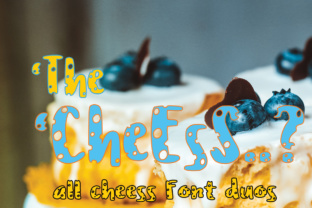
The CheEsS: A Unique Display Font with Dots
The CheEsS is a distinctive display font that stands out due to its unique design elements, particularly the small dots incorporated into each letter. This font comes in two versions: regular and outlined, offering versatility for different design needs. Whether you're working on a creative project, branding initiative, or digital content, The CheEsS can be a compelling choice when the right visual style is needed.
Understanding The CheEsS
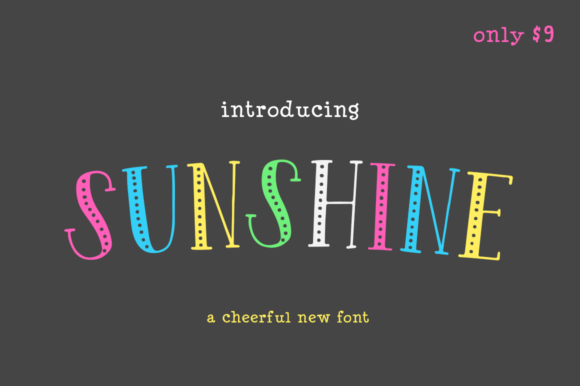
The CheEsS is a typeface designed to capture attention through its playful yet structured appearance. Each letter features subtle dots, which add a layer of detail and character. These dots are not just decorative; they contribute to the font's overall aesthetic, making it ideal for projects that require a whimsical or artistic touch. The font’s design makes it particularly suitable for use in headlines, logos, and other visual elements where uniqueness is key.
The regular version of The CheEsS offers a clean and readable form, while the outlined variant adds a more dramatic effect, allowing for greater contrast and visual impact. Both versions maintain the font's signature style, making them adaptable to various design contexts.
Reasons to Consider The CheEsS
There are several reasons why someone might choose The CheEsS over other fonts. Its distinct dot pattern sets it apart from standard display fonts, making it a strong option for those looking to create a memorable visual identity. The font's playful nature can evoke a sense of creativity, which is beneficial for brands targeting younger audiences or industries that value innovation.
Additionally, The CheEsS is versatile enough to work in both digital and print formats. Its readability at larger sizes makes it effective for headings and titles, while its detailed design ensures it doesn't get lost in smaller applications. This flexibility allows designers to use the font across a range of mediums without sacrificing quality or clarity.
Benefits and Tradeoffs
One of the primary benefits of The CheEsS is its ability to add personality to a design. The dots on each letter provide a unique visual element that can enhance the overall appeal of a project. This makes it an excellent choice for creative campaigns, editorial designs, or any application where a bold and distinctive look is desired.
However, there are tradeoffs to consider. The font's intricate design may reduce its legibility at smaller sizes, making it less suitable for body text. Additionally, the specific style of The CheEsS may not align with all design aesthetics, particularly those that prioritize minimalism or modern simplicity. In such cases, alternative fonts may be more appropriate.
Another consideration is the availability of the font. While The CheEsS may be accessible through certain design platforms or marketplaces, users should verify its licensing terms and compatibility with their preferred design software before incorporating it into a project.
Situations Where The CheEsS Excels
The CheEsS is particularly well-suited for projects that emphasize creativity and visual interest. For example, it can be an excellent choice for branding initiatives aimed at children's products, educational materials, or entertainment-related content. Its playful design can help convey a sense of fun and imagination, which is valuable in these contexts.
In the realm of digital design, The CheEsS can be used effectively in web headers, social media graphics, or app interfaces where a distinctive look is important. Its outlined version can also serve as a striking element in poster designs or signage, adding depth and visual intrigue.
For designers looking to experiment with typography, The CheEsS offers a fresh and unconventional option. It encourages creative exploration and can inspire new approaches to visual storytelling and brand expression.
When Alternatives May Be Better
While The CheEsS has many strengths, there are scenarios where alternative fonts may be more suitable. For instance, if the goal is to maintain a clean and professional appearance, a sans-serif or serif font might be more appropriate. These fonts often offer better readability and a more timeless aesthetic, which can be essential for business or academic contexts.
Designers working on projects that require high levels of legibility, such as long-form text or accessibility-focused content, should carefully evaluate whether The CheEsS meets those needs. In such cases, simpler fonts with clearer forms may be preferable.
Additionally, if the target audience is more traditional or conservative, the playful nature of The CheEsS could be perceived as unprofessional. In these situations, opting for a more conventional font may be a safer choice.
Practical Insights for Decision-Making
When deciding whether to use The CheEsS, it's important to consider the project's goals and audience. Ask yourself: What message do I want to convey? Who is my target audience? How will the font contribute to the overall design?
Testing the font in different contexts can also be helpful. Experimenting with how The CheEsS looks in various sizes, colors, and backgrounds can provide insights into its effectiveness. This process can help identify potential issues and ensure the font aligns with the intended visual outcome.
Finally, consulting with other designers or stakeholders can provide additional perspectives. Their feedback can help determine whether The CheEsS is the right choice or if another font might better suit the project's needs.
Conclusion
The CheEsS is a visually engaging display font that offers a unique combination of playfulness and structure. Its distinctive dot design makes it stand out, making it a good option for creative projects that benefit from a bold and memorable look. However, its suitability depends on the specific requirements of the design, including factors like legibility, audience expectations, and overall aesthetic goals.
By carefully evaluating the benefits, tradeoffs, and practical considerations, designers can make informed decisions about whether The CheEsS is the right choice for their work. Whether it becomes a go-to font or a one-time experiment, understanding its strengths and limitations can help ensure it serves the project's needs effectively.