Wild Nature: A Bold Font for Creative Expression
Wild Nature is more than just a font—it's a statement. With its bold, strong, and playful design, this typeface brings energy and personality to any project. Whether you're creating a logo, designing a T-shirt, or adding a quote to a social media post, Wild Nature can elevate your work with its unique style. But like any tool, it's important to understand how to use it effectively to avoid common pitfalls.
What Makes Wild Nature Unique?
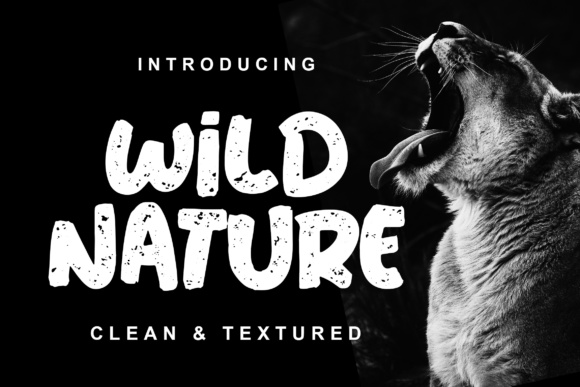
Wild Nature stands out because of its dynamic character design. The font features exaggerated strokes, irregular shapes, and a sense of movement that gives it a wild, organic feel. This makes it ideal for projects that aim to convey fun, creativity, or a connection to nature. However, its distinctiveness also means it may not be the best choice for every situation.
For example, while Wild Nature works well for logos or headlines, it might not be suitable for body text in a professional document. Its boldness can make it difficult to read in long paragraphs, which could affect readability and user experience.
Common Mistakes When Using Wild Nature
One of the most common mistakes when using Wild Nature is overusing it. Many designers apply the font to entire documents or multiple elements, which can create visual clutter and reduce the overall impact of the design. Instead, use it strategically as a focal point rather than a background element.
Another mistake is not considering the context. Wild Nature is best suited for creative, informal, or thematic projects. Using it in a corporate setting or for formal communication might come across as unprofessional. Always think about the audience and the message you want to convey before choosing a font.
How to Avoid Common Pitfalls
To get the most out of Wild Nature, start by identifying the purpose of your project. Ask yourself: What is the goal of this design? Who is the target audience? How will this font contribute to the overall message? These questions can help guide your decision-making process.
Also, test the font in different sizes and formats. What looks great on a banner might not work as well on a business card. Experiment with spacing, color, and placement to ensure the font complements the rest of your design rather than competing with it.
Understanding the Limitations of Wild Nature
While Wild Nature is visually striking, it has some limitations. For instance, it may not be available in all languages or character sets, which could be an issue if you're working on international projects. Before downloading or purchasing the font, check that it supports the languages and symbols you need.
Another limitation is compatibility. Some software or platforms may not support certain font formats, which could lead to display issues. Make sure to verify that Wild Nature is compatible with your design tools and the devices where your work will be viewed.
Practical Tips for Choosing and Using Wild Nature
If you're looking to incorporate Wild Nature into your designs, here are a few practical tips:
- Use it for emphasis: Apply Wild Nature to headlines, logos, or key phrases to draw attention without overwhelming the viewer.
- Pair it with simpler fonts: Combine Wild Nature with a clean, readable font for body text to balance the design and improve legibility.
- Consider the medium: Adjust the size and weight of the font based on where it will be used—larger for print, smaller for digital.
- Test it thoroughly: Preview your design on different screens and devices to ensure the font looks good in all contexts.
Realistic Examples of Effective Use
Imagine you're designing a t-shirt for a music festival. Using Wild Nature for the band name or event slogan would add a fun, energetic vibe that matches the theme. However, if you're creating a brochure for a law firm, Wild Nature might not be the best choice—it could make the design look unprofessional and distract from the content.
Another example is a social media post for a nature-themed blog. Using Wild Nature for the headline could capture attention and reflect the natural, adventurous spirit of the content. But if the post includes a lot of text, it's better to switch to a more readable font for the body copy.
What to Check Before Using Wild Nature
Before finalizing your design, make sure to check the following:
- Font license: Confirm that you have the proper rights to use Wild Nature for your intended purpose, especially if it's for commercial use.
- Character set: Verify that the font includes all the necessary characters, symbols, and language support for your project.
- Format compatibility: Ensure that the font file format (such as OTF or TTF) is compatible with your design software and the platforms where your work will be displayed.
- Visual hierarchy: Assess how Wild Nature interacts with other design elements to maintain a clear and effective layout.
Final Thoughts on Wild Nature
Wild Nature is a powerful tool for adding creativity and flair to your designs. However, like any font, it requires thoughtful application to achieve the best results. By understanding its strengths, limitations, and appropriate use cases, you can make informed decisions that enhance your work and meet your goals.
Whether you're a designer, marketer, or hobbyist, Wild Nature offers a unique way to express your vision. Just remember to use it wisely, test it thoroughly, and always consider the context of your project. With the right approach, Wild Nature can become a valuable asset in your creative toolkit.