Liquidrom: A Versatile Display Font for Creative and Professional Projects
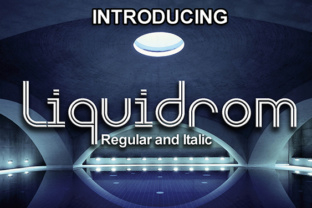
Whether you're designing a flyer for a local event, creating a logo for your small business, or working on a personal project, the right font can make all the difference. Liquidrom is a display font that stands out for its clean, modern aesthetic and versatility. With two variants—Regular and Italic—it offers flexibility for a wide range of design needs. If you're looking for a font that can elevate your visual work, Liquidrom might be just what you need.
What Is Liquidrom?
Liquidrom is a display font designed to catch attention while maintaining readability. Its name suggests fluidity and movement, and that’s exactly what it brings to any design. The font has a balanced structure with subtle curves and sharp edges, making it suitable for both digital and print media. The Regular variant is ideal for headlines and short text blocks, while the Italic version adds a touch of elegance and style, perfect for accents or secondary text.
When to Use Liquidrom
Understanding when to use Liquidrom can help you make the most of its design features. For instance, if you're creating a poster for a music festival, Liquidrom's bold yet refined look can draw people in and set the tone for the event. In a professional setting, such as a company brochure or a product catalog, Liquidrom can add a modern edge without overwhelming the reader.
For bloggers or content creators, using Liquidrom in headlines can make your posts stand out on social media or websites. It works well in banners, callout boxes, or anywhere you need to highlight key information. The Italic version is especially useful when you want to add a sense of motion or sophistication to your design.
Real-World Use Cases for Liquidrom
Imagine you're a small business owner looking to update your branding. You might use Liquidrom for your logo to give it a fresh, contemporary feel. Or, if you're a teacher preparing a presentation, Liquidrom could help make your slides more visually engaging without sacrificing clarity.
Another scenario could involve a freelance designer working on a client's project. They might choose Liquidrom for a website header or a promotional email to create a strong visual impact. The font’s adaptability makes it a go-to choice for designers who want to maintain a cohesive look across different platforms and formats.
For hobbyists or DIY enthusiasts, Liquidrom can be a great addition to handmade cards, custom t-shirts, or even home decor projects. Its unique style allows for creative expression while still being easy to read.
Who Benefits from Using Liquidrom?
Entrepreneurs and marketers often rely on strong visual elements to communicate their brand identity. Liquidrom can help them create eye-catching ads, social media graphics, or packaging designs that resonate with their target audience. Its clean lines and modern appearance align well with current design trends, making it a smart choice for those looking to stay relevant.
Students and educators might find Liquidrom useful for presentations or educational materials. The font’s readability ensures that important information is clear and easy to follow, while its stylish look can make learning more engaging. Teachers could also use it for classroom signs, posters, or bulletin boards to create a more dynamic environment.
Freelancers and creatives can benefit from Liquidrom’s versatility. Whether they’re working on a logo, a website, or a marketing campaign, the font offers a professional look that can enhance their portfolio. Its availability in both Regular and Italic makes it easier to experiment with different layouts and styles.
Considerations Before Using Liquidrom
Before incorporating Liquidrom into your design, consider the context in which it will be used. While it’s excellent for headlines and short text, it may not be the best choice for long paragraphs of body text. The font’s boldness can sometimes make it less readable in large blocks of text, so it’s important to test it in different sizes and formats.
Also, think about the overall design aesthetic you’re aiming for. Liquidrom works well with modern, minimalist styles but may not fit as seamlessly with more traditional or ornate designs. It’s always a good idea to preview the font in your specific project to ensure it complements other elements like colors, images, and spacing.
If you’re planning to use Liquidrom commercially, check the licensing terms to make sure you have the proper rights. Some fonts come with restrictions on how they can be used, so understanding these details can prevent potential issues down the line.
How to Get Started with Liquidrom
Once you’ve decided that Liquidrom is the right fit for your project, the next step is to find a reliable source to download or purchase it. Many font marketplaces offer Liquidrom in different formats, making it easy to integrate into your design software. Once you have the font installed, experiment with different weights and styles to see how they affect your layout.
Don’t be afraid to mix Liquidrom with other fonts to create contrast and balance. Pairing it with a simpler, sans-serif typeface can help maintain readability while still allowing Liquidrom to shine in key areas. The goal is to use the font in a way that enhances your message rather than distracts from it.
Conclusion
Liquidrom is more than just a font—it’s a tool that can help you communicate your message more effectively. Whether you're a designer, a marketer, an educator, or a hobbyist, there are countless ways to use this versatile typeface. By understanding its strengths and limitations, you can make informed decisions that lead to better design outcomes. With the right approach, Liquidrom can become a valuable part of your creative toolkit.