Roundie: A Versatile Display Font for Creative Projects
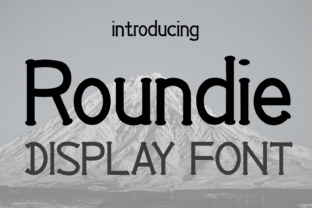
Roundie is a distinctive display font known for its rounded letters and eye-catching design. Its friendly yet bold appearance makes it ideal for a variety of visual projects, from wedding invitations to digital content. Whether you're designing a logo, crafting a blog heading, or creating a quote graphic, Roundie offers a unique aesthetic that stands out.
What Makes Roundie Unique?
Unlike traditional serif or sans-serif fonts, Roundie features soft, rounded edges that give it a modern and approachable feel. This design choice makes it particularly effective for projects that aim to convey warmth, creativity, or playfulness. The font’s clean lines and consistent stroke width also ensure readability, even at smaller sizes.
Its versatility allows it to work well in both digital and print formats. For instance, a designer might use Roundie for a website header to create a more engaging user experience, while a small business owner could apply it to a logo to make their brand more memorable.
Why Different Audiences Care About Roundie
While Roundie is a single font, its appeal varies depending on the user's goals and needs. Beginners may find it appealing because of its simplicity and ease of use, while professionals might appreciate its ability to add visual interest without overwhelming the design.
For educators, Roundie can be a great tool for creating visually engaging lesson plans or classroom materials. Its rounded style can help reduce visual fatigue and make information more accessible to students. Meanwhile, entrepreneurs and marketers might use it to craft compelling headlines or social media graphics that capture attention quickly.
How Different Users Might Approach Roundie
Beginners often look for fonts that are easy to work with and don’t require advanced design skills. Roundie fits this need by offering a clean, straightforward look that doesn’t complicate the design process. For example, a blogger just starting out might choose Roundie for their site’s title to create a more inviting and personal tone.
Experienced designers, on the other hand, might evaluate Roundie based on its flexibility and how well it integrates with other design elements. They could use it as a complementary font alongside a more formal typeface to balance creativity with professionalism. A graphic designer working on a branding project might test Roundie in different layouts to see how it interacts with other visual components.
Business owners looking to build a strong brand identity might consider Roundie for its ability to communicate a specific personality. A boutique coffee shop, for instance, could use Roundie in its signage to reflect a cozy, welcoming atmosphere. Similarly, a tech startup might use it in a presentation to convey innovation and approachability.
Practical Uses for Roundie Across Industries
Roundie’s adaptability makes it suitable for a wide range of applications. In the publishing world, authors and editors might use it for book titles or chapter headings to create a more dynamic reading experience. For hobbyists, such as those creating handmade cards or scrapbooks, Roundie can add a personalized touch that enhances the overall aesthetic.
Marketers and advertisers might use Roundie in promotional materials to draw attention to key messages. A social media campaign promoting a new product could feature Roundie in its visuals to stand out in a crowded feed. At the same time, a nonprofit organization might use it in a poster to make its message more engaging and relatable.
Considerations for Choosing Roundie
When deciding whether to use Roundie, it’s important to think about your specific needs. If you’re looking for a font that adds character without being too flashy, Roundie could be an excellent choice. However, if you’re working on a highly formal project, such as a legal document or academic paper, you might want to opt for a more traditional font.
Another factor to consider is the context in which the font will be used. For digital platforms, such as websites or mobile apps, Roundie’s legibility at smaller sizes is a major advantage. In print, it can help make text more readable and visually appealing, especially when used in headers or titles.
Is Roundie Right for You?
Determining whether Roundie suits your needs depends on your goals and preferences. If you’re looking for a font that balances creativity with clarity, Roundie is worth exploring. It can enhance your designs without requiring complex formatting or advanced technical knowledge.
For those who prioritize ease of use, Roundie’s simple structure makes it accessible even for those with limited design experience. For professionals seeking a versatile option, its ability to work across multiple mediums and styles makes it a valuable addition to any font library.
Ultimately, the best way to decide is to experiment. Try using Roundie in a few different projects to see how it performs in various contexts. Whether you’re a beginner or an expert, there’s likely a way to incorporate it into your work effectively.