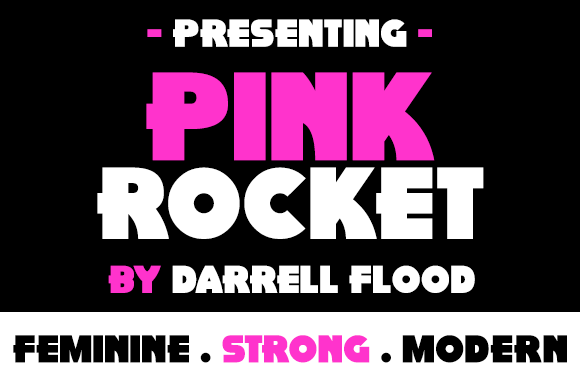
Pink Rocket: A Bold Fusion of Retro and Futurism in Typography
In the ever-evolving world of design, typography plays a crucial role in conveying tone, emotion, and identity. One font that has captured attention for its unique aesthetic is Pink Rocket. This ultra-bold, feminine font blends retro and futuristic elements into a single, striking typeface. Its distinctive style makes it ideal for space-themed projects, quirky branding, and creative endeavors that demand a touch of whimsy and sophistication.
Designed with a focus on visual impact, Pink Rocket stands out from traditional fonts by combining bold strokes with delicate curves. The result is a typeface that feels both powerful and playful. Whether used in digital media, print materials, or interactive designs, this font adds an eye-catching flair that can elevate any project.
The Characteristics of Pink Rocket
At first glance, Pink Rocket appears to be a modern take on vintage typography, but it carries a distinct futuristic edge. The font’s structure features thick, angular lines paired with soft, rounded shapes. This contrast creates a dynamic visual rhythm that draws the viewer’s attention. The letterforms are exaggerated in certain areas, giving the typeface a sense of movement and energy.
The font’s name itself hints at its personality. “Pink” suggests a feminine, playful tone, while “Rocket” implies speed, adventure, and innovation. Together, they form a concept that resonates with themes of exploration and creativity. This duality makes Pink Rocket versatile enough to work in a variety of contexts, from sci-fi storytelling to lifestyle branding.
Available in both regular and italic variants, Pink Rocket offers designers flexibility in their typographic choices. The italic version introduces a slanted, more fluid appearance, which can be particularly effective in headings or titles that require a sense of motion or elegance.
Applications of Pink Rocket in Design
One of the most compelling aspects of Pink Rocket is its adaptability. While it may seem unconventional, this font finds its place in a wide range of design applications. For instance, in the realm of space-themed projects, Pink Rocket can be used to create logos, posters, or digital interfaces that evoke a sense of cosmic adventure. Its boldness and retro-futuristic style align well with the aesthetics often associated with science fiction and space exploration.
Beyond space themes, Pink Rocket is also well-suited for quirky, offbeat branding. Businesses looking to stand out in a competitive market might use this font to differentiate their identity. It works particularly well for startups, creative agencies, and niche markets that want to convey a sense of fun and originality. The font’s unique character can help brands establish a memorable visual presence.
In the field of digital design, Pink Rocket can enhance user interfaces, especially in games, apps, or websites that aim for a stylized, imaginative feel. Its boldness ensures legibility even at smaller sizes, making it suitable for buttons, menus, and other interactive elements. When used thoughtfully, this font can add a layer of personality to digital experiences without compromising readability.
Considerations for Using Pink Rocket
While Pink Rocket is visually striking, it is important to consider its limitations and appropriate use cases. Due to its bold and stylized nature, this font may not be ideal for large blocks of text. It works best as a headline or accent typeface rather than a primary body font. Overuse of Pink Rocket in long paragraphs can lead to visual fatigue and reduce readability.
Designers should also be mindful of the context in which the font is used. While it excels in creative and thematic projects, it may not be suitable for formal or professional settings where a more subdued typeface is expected. However, with careful application, Pink Rocket can still be integrated into sophisticated designs without appearing out of place.
Another consideration is the availability of the font. As with any specialized typeface, Pink Rocket may require a license for commercial use. Designers should verify the terms of use before incorporating it into client projects or public-facing content. Ensuring proper licensing helps maintain ethical design practices and avoids potential legal issues.
Real-World Examples of Pink Rocket in Action
Several designers and brands have successfully incorporated Pink Rocket into their work. For example, a tech startup focused on space-related innovations might use the font in its logo to communicate a sense of ambition and forward-thinking. Similarly, a boutique clothing brand could apply Pink Rocket to its packaging or social media graphics to create a cohesive, eye-catching identity.
Interactive media, such as video games or animated web content, often benefits from the use of Pink Rocket. In these contexts, the font’s boldness and retro-futuristic style can enhance the overall aesthetic, creating a more immersive experience for users. When paired with appropriate color schemes and visual elements, Pink Rocket can become a central component of a project’s design language.
Additionally, Pink Rocket has found a home in educational and artistic projects. Teachers and educators might use it in presentations or lesson plans to engage students with a visually appealing format. Artists and illustrators could incorporate the font into their work to add a unique, personalized touch to their creations.
Conclusion
Pink Rocket is more than just a font—it’s a design statement. Its blend of retro and futuristic elements, combined with its bold and feminine characteristics, makes it a standout choice for a variety of creative applications. Whether used in space-themed projects, quirky branding, or digital interfaces, this font has the potential to add a distinctive flair to any design. By understanding its strengths and limitations, designers can effectively leverage Pink Rocket to enhance their work and connect with audiences in a meaningful way.