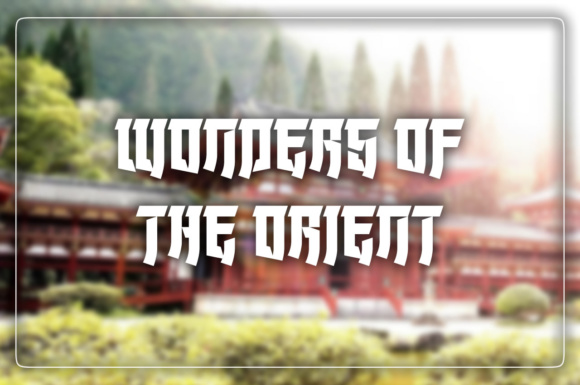
The Wonders of the Orient: A Strategic Lens for Modern Decision-Making
In an age where global influences shape every aspect of business, creativity, and communication, the concept of Wonders of the Orient offers more than just aesthetic appeal—it provides a framework for strategic thinking. Rooted in the rich cultural and historical legacies of East Asia, this idea encapsulates innovation, tradition, and the power of visual storytelling. For professionals, entrepreneurs, and creators, understanding and applying the principles behind Wonders of the Orient can lead to more meaningful engagement, stronger branding, and better long-term outcomes.
But what exactly does Wonders of the Orient mean? It’s not merely about exotic aesthetics or superficial design elements. It’s about recognizing the value of cultural depth, symbolic meaning, and the subtle art of influence that has been honed over centuries. By integrating these insights into modern practices, individuals and organizations can make more informed decisions, craft compelling narratives, and achieve greater clarity in their goals.
Understanding the Strategic Value of Wonders of the Orient
Wonders of the Orient represents a unique blend of historical inspiration and contemporary relevance. From the intricate architecture of ancient temples to the philosophical underpinnings of Eastern thought, there is a wealth of knowledge that can be applied to today’s challenges. For example, the emphasis on balance, harmony, and intentionality found in many traditional practices can inform modern approaches to project management, team dynamics, and customer experience.
Strategically, Wonders of the Orient encourages a mindset that values patience, reflection, and long-term vision. In a fast-paced world driven by instant results, this perspective can help leaders avoid impulsive decisions and instead focus on sustainable growth. Whether you’re launching a new product, rebranding a company, or developing a creative project, drawing from the wisdom of the East can provide a fresh lens through which to evaluate your options.
Moreover, the visual language associated with Wonders of the Orient—such as calligraphy, natural motifs, and minimalist design—can enhance communication and brand identity. When used thoughtfully, these elements create a sense of authenticity and cultural resonance that resonates with audiences seeking deeper connections.
When to Apply Wonders of the Orient in Practice
Integrating Wonders of the Orient into your strategy requires thoughtful consideration of context and purpose. It is most effective when aligned with clear objectives, whether those are related to branding, content creation, or operational efficiency. For instance, if you’re designing a website or marketing campaign, incorporating a pseudo-eastern feel through typography, color palettes, or imagery can differentiate your offering and attract a specific audience.
Consider the following scenarios where Wonders of the Orient can add value:
- Brand Positioning: Use the aesthetic and philosophical elements of the East to position your brand as innovative, authentic, or culturally aware.
- Content Creation: Draw inspiration from traditional storytelling techniques to craft more engaging and memorable content.
- Customer Experience: Incorporate elements of mindfulness and balance into your service delivery to enhance user satisfaction.
- Team Culture: Encourage a reflective and intentional approach to work by adopting practices rooted in Eastern philosophy.
However, it’s important to recognize that Wonders of the Orient should not be used as a one-size-fits-all solution. Its effectiveness depends on how well it aligns with your audience’s expectations, your brand’s identity, and the broader market landscape.
How to Approach Wonders of the Orient Thoughtfully
Before relying on Wonders of the Orient, take time to understand its origins and implications. This means researching the cultural significance of the elements you wish to incorporate and ensuring they are represented respectfully. Avoid superficial or stereotypical interpretations that risk misrepresentation or dilution of meaning.
A practical approach involves:
- Education: Learn about the history, values, and symbolism associated with the East. This builds a foundation for informed decision-making.
- Collaboration: Work with experts or consultants who have deep knowledge of Eastern cultures to ensure authenticity and accuracy.
- Testing: Experiment with small-scale applications of Wonders of the Orient to gauge audience response and refine your approach.
- Reflection: Continuously evaluate how these elements contribute to your goals and adjust accordingly.
By taking a structured and reflective approach, you can harness the power of Wonders of the Orient without falling into common pitfalls like cultural appropriation or overuse.
Risks of Using Wonders of the Orient Without Clarity
While Wonders of the Orient can be a powerful tool, using it without clear intent or understanding can lead to ineffective strategies and negative outcomes. For example, randomly adding Eastern motifs to a brand without a cohesive narrative may confuse your audience or undermine your message.
Some risks to consider include:
- Loss of Authenticity: Overuse or incorrect application can make your brand seem inauthentic or disconnected from its core values.
- Confusion Among Audiences: If the cultural references are unclear or inconsistent, your message may fail to resonate.
- Reputational Damage: Misrepresenting Eastern traditions can lead to backlash, especially in today’s socially conscious environment.
To mitigate these risks, always ask: Why am I using Wonders of the Orient? What value does it bring? How does it align with my goals and audience?
Long-Term Benefits of Intentional Use
When applied with purpose, Wonders of the Orient can offer lasting benefits. It fosters a deeper connection between your brand and your audience, enhances creativity through cross-cultural inspiration, and supports a more mindful and strategic approach to decision-making.
For example, businesses that integrate the principles of balance and harmony from Eastern philosophies often see improved team collaboration, more thoughtful product development, and stronger customer loyalty. Similarly, creators who draw from the aesthetic and symbolic richness of the East can produce work that stands out in a crowded marketplace.
Ultimately, Wonders of the Orient is not just about style—it’s about substance. It invites us to think beyond surface-level trends and embrace a more holistic, intentional way of working and creating.
Conclusion: Embrace Wonders of the Orient with Purpose
The Wonders of the Orient offer more than visual appeal—they provide a strategic framework for making better decisions, building stronger brands, and achieving meaningful results. By approaching this concept with curiosity, respect, and clarity, professionals across industries can unlock new opportunities for growth, creativity, and impact.
Whether you’re looking to refine your branding, enhance your content, or improve your team’s performance, the lessons of the East can guide you toward more thoughtful and effective outcomes. The key is to use Wonders of the Orient intentionally, ensuring that every choice reflects your goals and values.